Honey, Washed, Natural, Anaerobic: How Processing Changes Your Cup
Every coffee bean starts as the seed of a cherry. Between the harvest and the roaster, someone has to remove that fruit and dry the seed. How they do it is called processing, and it shapes the flavor in your cup as much as altitude or variety.
If you have ever wondered what “honey” or “anaerobic” means on a bag, this guide is for you. We’ll use the coffees in our new lineup as examples, so you can taste the difference for yourself.
Washed: clarity first
The fruit is removed right after harvest. The seeds then ferment briefly in water to loosen what’s left of the sticky layer around them, get washed clean, and dry.
What it does to the cup: clean, consistent, and transparent. With less fruit in the way, the place the coffee was grown comes through clearly.
Taste it in Gracias. Luis Herrera Villeda grows Catuai Amarillo at 1,600 meters on Finca Don Tono, in the highlands of Opalaca. His washed process gives a cup of cacao, peach and caramel with a smooth finish. It’s the most versatile coffee we carry for everyday brewing.
Honey: sweetness from the fruit
No actual honey is involved. The skin of the cherry is removed, but some of the sticky fruit layer (the mucilage) is left on the seed while it dries. Producers call it “honey” because of how sticky and golden it gets.
What it does to the cup: more natural sweetness and body than a washed coffee, while staying clean.
Taste it in El Trueno. Nelson Domínguez grows Catuai at 1,750 meters in Los Planes, Marcala. His honey process gives notes of honey, floral and citrus with a round finish. It’s our best seller, and a great first step if you usually drink washed coffees.
Natural: the whole cherry dries
The cherry is dried whole, with the fruit still on, for days or weeks. It has to be turned and watched constantly so it dries evenly. It takes patience, and mistakes show up in the cup.
What it does to the cup: fruit-forward, sweet, and full-bodied.
Taste it in Nacimiento. Grown at 1,650 meters in Marcala by Alba Marina Parada and Francisco Javier Bautista, and processed by their daughter Yojana. Expect strawberry, red fruits and caramel.
Natural doesn’t always mean fruity, though. Copán is also a natural, and it tastes of chocolate, caramel and walnut. Variety, altitude and soil matter just as much as the process.
Anaerobic: fermentation without oxygen
The cherries are sealed in tanks with no oxygen for a set number of hours. Without oxygen, fermentation takes a different path and creates layered flavors you won’t find in other methods. It’s demanding work: timing and temperature have to be just right.
What it does to the cup: intense, complex, often tropical or winey.
We carry two:
- San Fernando. Juan Carlos Vásquez ferments his Parainema for 36 hours at 1,500 meters in Santa Bárbara. Ripe mango, brown sugar and coconut cream, with an SCA score of 86.25.
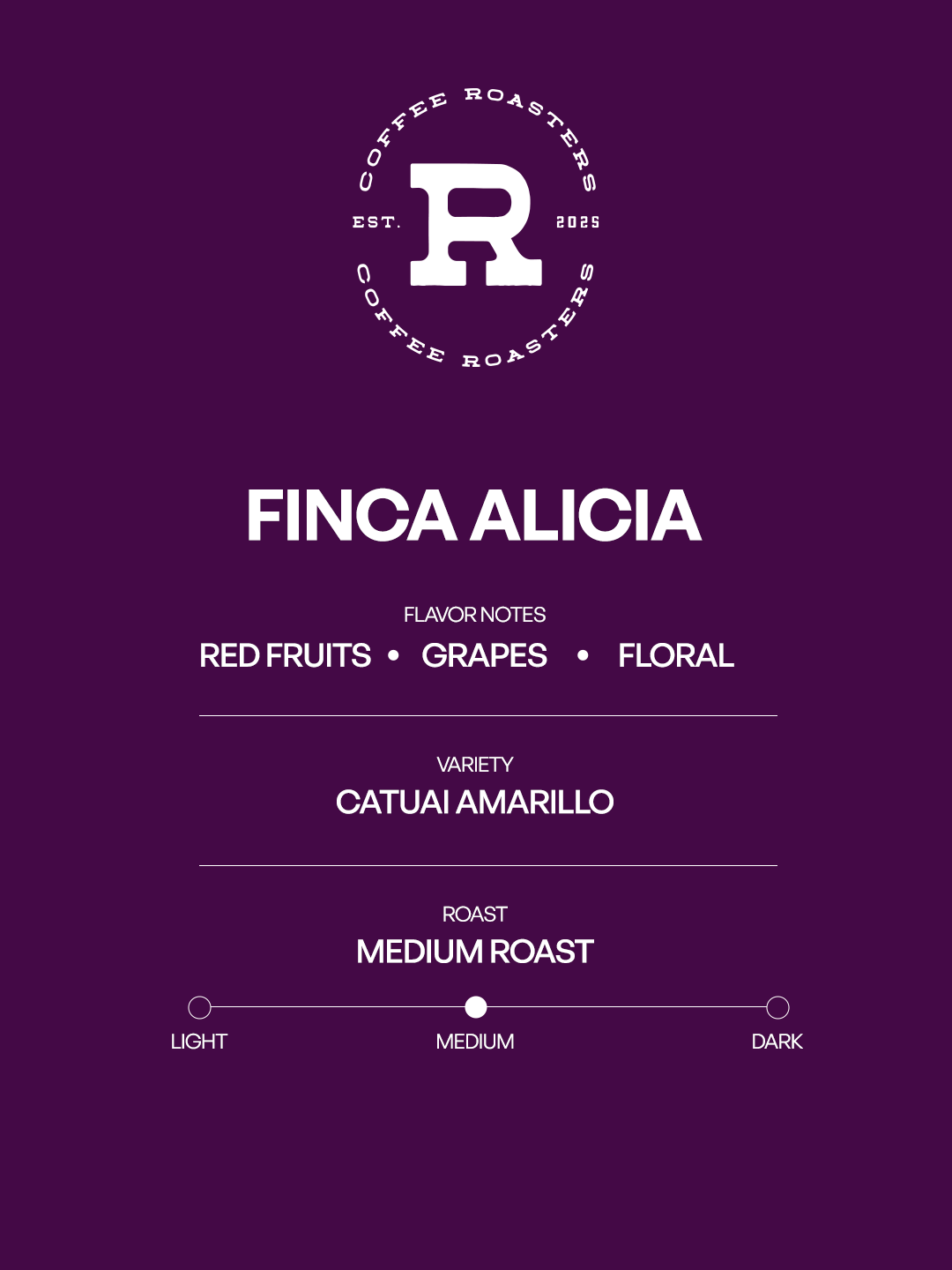
- Finca Alicia. Jholman Mauricio Rajo combines anaerobic and natural: 48 hours of sealed fermentation, then 32 days of slow drying in solar dryers. Red fruits, grape and a floral finish. It’s a USDA Organic microlot of about 50 pounds, and when it’s gone, it’s gone.
Quick reference
| Process | What happens | Flavor tendency | Try |
|---|---|---|---|
| Washed | Fruit removed before drying | Clean, balanced | Gracias |
| Honey | Some fruit left on during drying | Sweet, round | El Trueno |
| Natural | Whole cherry dries | Fruity, full body | Nacimiento, Copán |
| Anaerobic | Sealed fermentation without oxygen | Intense, layered | San Fernando, Finca Alicia |
Where to start
If you like a classic, clean cup, start with Gracias. If you want sweetness, El Trueno. If you want fruit, Nacimiento. If you want something you have never tasted before, San Fernando or Finca Alicia.
The best way to learn processing is to taste two side by side. Brew a washed and a natural the same way, on the same morning, and notice what changes.