Is Specialty Coffee Worth the Price? (An Honest Answer)
Let's skip the coffee snobbery. You deserve a straight answer.
Specialty coffee does cost more — but "more expensive" and "worth it" aren't the same question. Whether specialty coffee is worth it depends entirely on what you value in your cup and what you want your purchase to support.
Here's an honest, no-hype breakdown.
Specialty coffee is graded by the Specialty Coffee Association (SCA). Coffee is graded by trained Q Graders on a 100-point scale. To earn the specialty designation, it must score 80 points or above.
Most of the coffee on supermarket shelves doesn't come close to that threshold.
Specialty coffee requires specific farming conditions, careful harvesting (often by hand), intentional processing, and freshness standards that mass-market coffee simply doesn't prioritize.
5 Real Reasons Specialty Coffee Costs More
1. The Beans Are Grown in Better Conditions
High-altitude farms — above 1,200 meters — produce coffee that matures more slowly. That slower development concentrates natural sugars and creates more complex flavors.
For comparison, El Trueno from Raíces grows at 1,750 meters above sea level in the Marcala region of Honduras. That elevation alone creates flavor characteristics that lower-grown coffee simply can't replicate.
2. Harvesting Is Done by Hand
On specialty farms, workers pick only the ripe coffee cherries — often making multiple passes over weeks to catch each cherry at peak ripeness. This is slower and more labor-intensive than machine harvesting.
The result is cleaner, more consistent flavor in the cup. You're paying for that selection process.
3. Processing Methods Are More Deliberate
How coffee is processed after harvest dramatically affects flavor. Honey process, natural process, and washed process each require specific care, timing, and infrastructure.
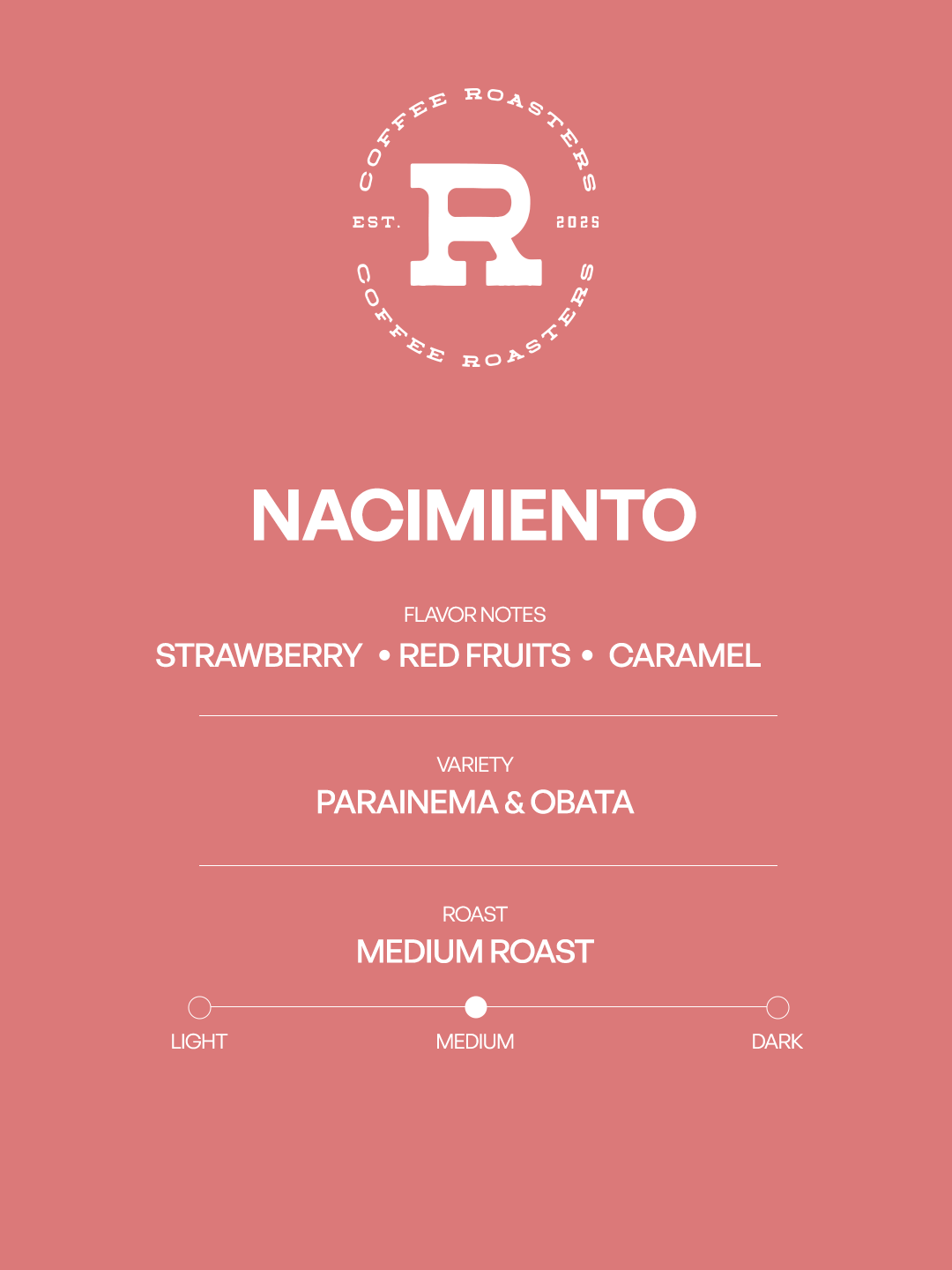
Our Nacimiento uses a natural process — the cherry dries around the bean, imparting sweetness and body that creates distinctive strawberry and red fruit notes. You can't get that from a commercial blend.
4. Direct Trade Means Farmers Get Paid Fairly
Mass-market coffee is traded through multiple intermediaries, often at the expense of the farmer's income. Specialty coffee — particularly through direct trade — shortens that supply chain.
At Raíces, we pay our producers a minimum of 25% above conventional market price, with long-term purchase commitments. We know Juan Carlos Vásquez and Nelson Domínguez by name — and so do the people drinking their coffee.
When you buy specialty coffee through a direct trade roaster, part of that premium goes directly to the farmer's livelihood and their ability to keep investing in quality.
5. Freshness Is Actually Prioritized
Large commercial coffee is often roasted months before it reaches the shelf. Specialty roasters work in smaller batches and prioritize getting coffee to you while it's still alive with flavor.
Fresh coffee is more expensive to move quickly — but it's what allows the flavors from the farm to actually reach your cup.
So Is It Worth It?
If you drink coffee mostly for caffeine and the taste doesn't much matter — then honestly, specialty coffee probably isn't worth it for you. That's a fair answer.
But if you've ever had a cup that made you stop and think "wait, that's actually good" — specialty coffee is almost certainly what you were drinking.
For people who want to understand and enjoy what's in their cup, who value knowing who grew their food and how they're paid, who are tired of bitter coffee that never seems to get better — specialty coffee doesn't just taste better. It tends to change how they think about coffee permanently.
The Easiest Way to Find Out
Arguments only go so far. Taste does more. Brew it fresh. Then decide for yourself.