Why Supermarket Coffee Tastes Different From Specialty Coffee
Many people try specialty coffees for the first time and say the same thing:
"I didn't know coffee could taste like this."
It's smoother. More aromatic. Sometimes even sweet—without adding sugar.
So what's actually different?
The answer isn't about snobbery or expensive equipment. It comes down to three things: freshness, sourcing, and intention.
Let's break it down simply.
1. Freshness Is Usually the First Thing Lost
By the time it sits on the shelf, travels through distribution, and lands in your cart, it's already lost:
✗ Aroma - The volatile oils that create smell and taste
✗ Natural sweetness - The sugars developed during roasting
✗ Complexity - The nuanced flavors that make coffee interesting
What remains is often bitterness, flatness, and a cardboard-like staleness.
Specialty coffee works differently.
At Raíces Coffee Roasters, we roast in small batches and ship fresh—so the flavors are still alive and vibrant when you brew your first cup. Roast dates matter more than brand names.
2. Supermarket Coffee Is Designed for Consistency, Not Flavor
Large brands optimize for:
✓ Tasting the same every time (predictability over personality)
✓ Appealing to the widest possible audience (avoiding "too bright" or "too fruity")
✓ Shelf stability for months or even years
To achieve that, they often:
- Roast darker to mask staleness and defects
- Blend lower-quality beans from multiple origins to reduce costs
- Sacrifice nuance for uniformity
Specialty coffee is the opposite.
We celebrate variation, origin, and natural flavor. Every harvest tastes slightly different—and that's the beauty of it.
Coffee isn't supposed to taste the same every time. It's supposed to taste alive.
3. Origin Usually Gets Lost
On most supermarket bags, origin is intentionally vague:
- "Central America"
- "Latin American Blend"
- "100% Arabica" (which tells you almost nothing)
In specialty coffee, origin is specific:
- Country - Honduras
- Region - Marcala, Santa Bárbara, Copán
- Farm - Finca El Trueno, Finca Los Primos
- Producer - Nelson Domínguez, Juan Carlos Vásquez, Juan Guerra
That specificity matters because where coffee is grown directly affects how it tastes:
- Marcala (1,750m) → bright, floral, citrus-forward
- Santa Bárbara (1,500m) → sweet, mango, brown sugar, coconut
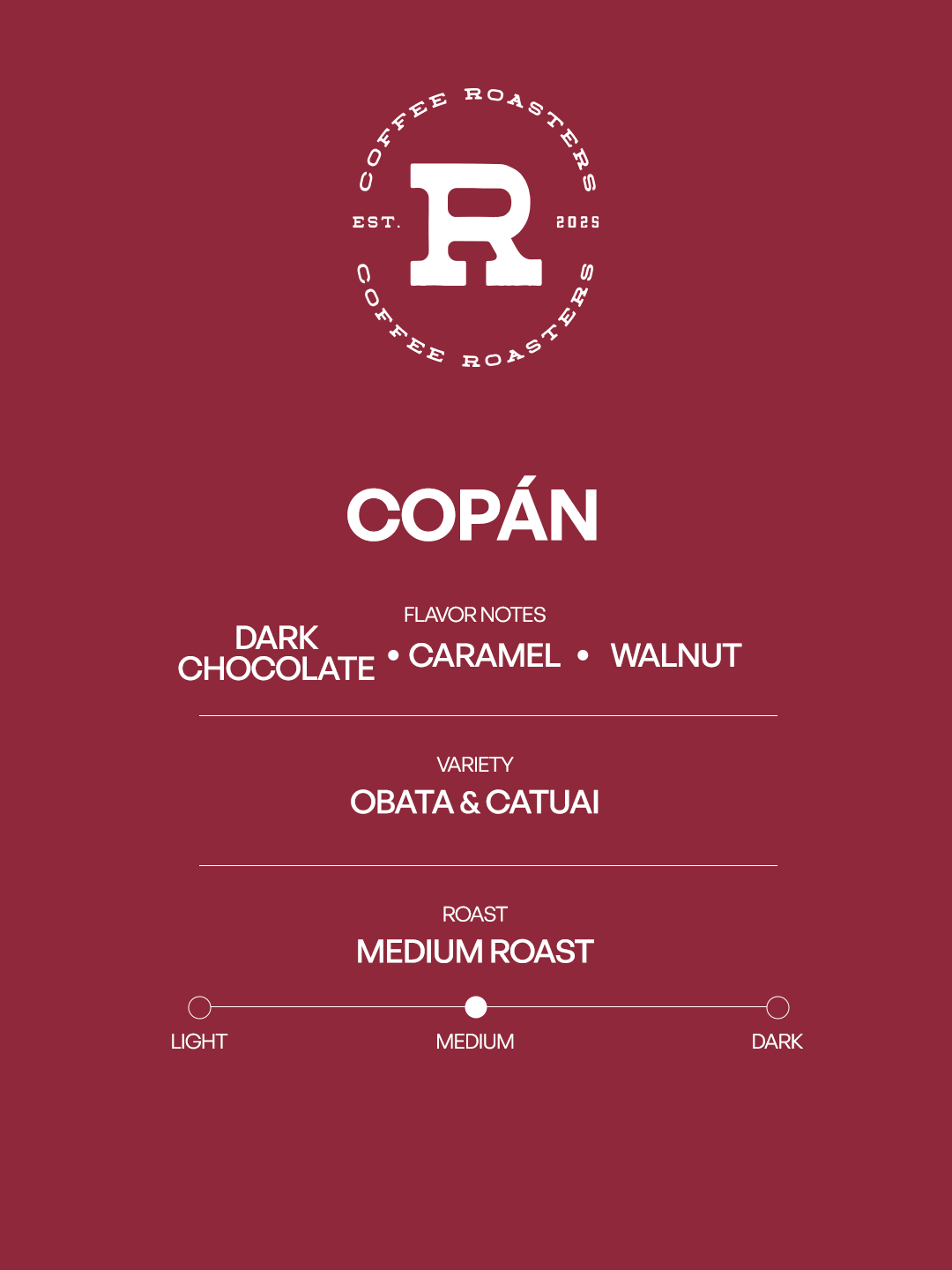
- Copán (1,350m) → chocolate, peach, caramel
When you know the origin, you're not just drinking coffee—you're tasting a place.
4. Freshness Changes Everything
Fresh coffee tastes:
✓ Brighter - More acidity, more life
✓ Smoother - Less bitterness, easier to drink
✓ More balanced - Sweetness and complexity shine through
Old coffee tastes:
✗ Bitter - Oils have oxidized
✗ Mellow - Flavors have evaporated
✗ One-dimensional - All you get is roast, not origin
That's why many people think they "need sugar or cream"—they're unconsciously trying to fix stale coffee.
With specialty coffee, many people drink it black for the first time and enjoy it. Not because they became coffee snobs overnight—but because the coffee finally tastes the way it's supposed to.
5. Supermarket Coffee Is a Product. Specialty Coffee Is a Relationship.
Supermarket coffee is designed to be:
- Mass-produced
- Widely distributed
- Cheaply sourced
Specialty coffee is built around people:
- The farmer who grew it
- The land where it was cultivated
- The care that went into processing, roasting, and delivering it
At Raíces Coffee Roasters, we work directly with producers like:
- Nelson Domínguez (El Trueno, Marcala)
- Juan Carlos Vásquez (San Fernando, grown at Finca Los Primos, Santa Bárbara)
- Juan Guerra (Copán)
We roast at origin in Honduras and ship fresh from Florida—so nothing gets lost along the way.
Every bag carries a story, a face, and a commitment to quality and fairness.
Does This Mean Supermarket Coffee Is Bad?
Not necessarily.
But it is designed for convenience and scale—not peak flavor.
If coffee is just fuel for you—something to wake up with—supermarket coffee might be fine.
But if coffee is something you want to enjoy—to savor, to explore, to connect with—specialty coffee makes a noticeable, undeniable difference.
What Most People Notice First When Switching
When customers try Raíces for the first time, they often tell us they notice:
✓ Less bitterness - No harsh aftertaste
✓ More aroma - The bag smells incredible when opened
✓ A smoother finish - Easy to drink, even black
✓ Flavor without sugar - Natural sweetness shines through
That's not magic. That's not marketing. That's freshness and care.
The Real Difference Isn't Price—It's Intention
Supermarket coffee is designed to be:
- Cheap
- Convenient
- "Good enough"
Specialty coffee is designed to be:
- Fresh
- Traceable
- Exceptional
And when you taste the difference, it's hard to go back.
Experience the Difference Yourself
we invite you to experience what fresh, single-origin Honduran coffees taste like.