What Do Coffee Tasting Notes Actually Mean?
You pick up a bag of coffee. The label says: mango, coconut, caramel.
Your first thought: did they add something to this?
Your second thought: I've never tasted anything like that in my coffee. Am I doing it wrong?
Where Coffee Flavors Actually Come From
Coffee is a fruit. Specifically, it's the seed inside a small cherry-like fruit — and like all fruit, its flavor is shaped by where and how it grows.
The altitude, soil, climate, the specific coffee variety, and especially the processing method after harvest — all of these shape what ends up in your cup. No flavorings. No additives. Just agricultural conditions doing what they do naturally.
Higher elevation means slower cherry development, which concentrates sugars and creates complexity. Different varieties, like different grape varietals in wine, have distinct flavor tendencies. Processing methods — anaerobic, washed, natural — each leave a different fingerprint on the final cup.
What Tasting Notes Are (and Aren't)
A tasting note is not a promise. It's a reference point.
When a roaster or Q Grader writes "mango, caramel, coconut" on a bag, they're describing what the coffee reminds them of — the closest familiar flavor their brain reaches for when tasting. It's a shorthand to help you understand the character of the coffee before you brew it.
Think of it like a movie recommendation that says "feels like an early Coen Brothers film." That doesn't mean it is one. It means the reviewer found a familiar reference to calibrate your expectations.
A Plain-English Guide to Common Tasting Notes
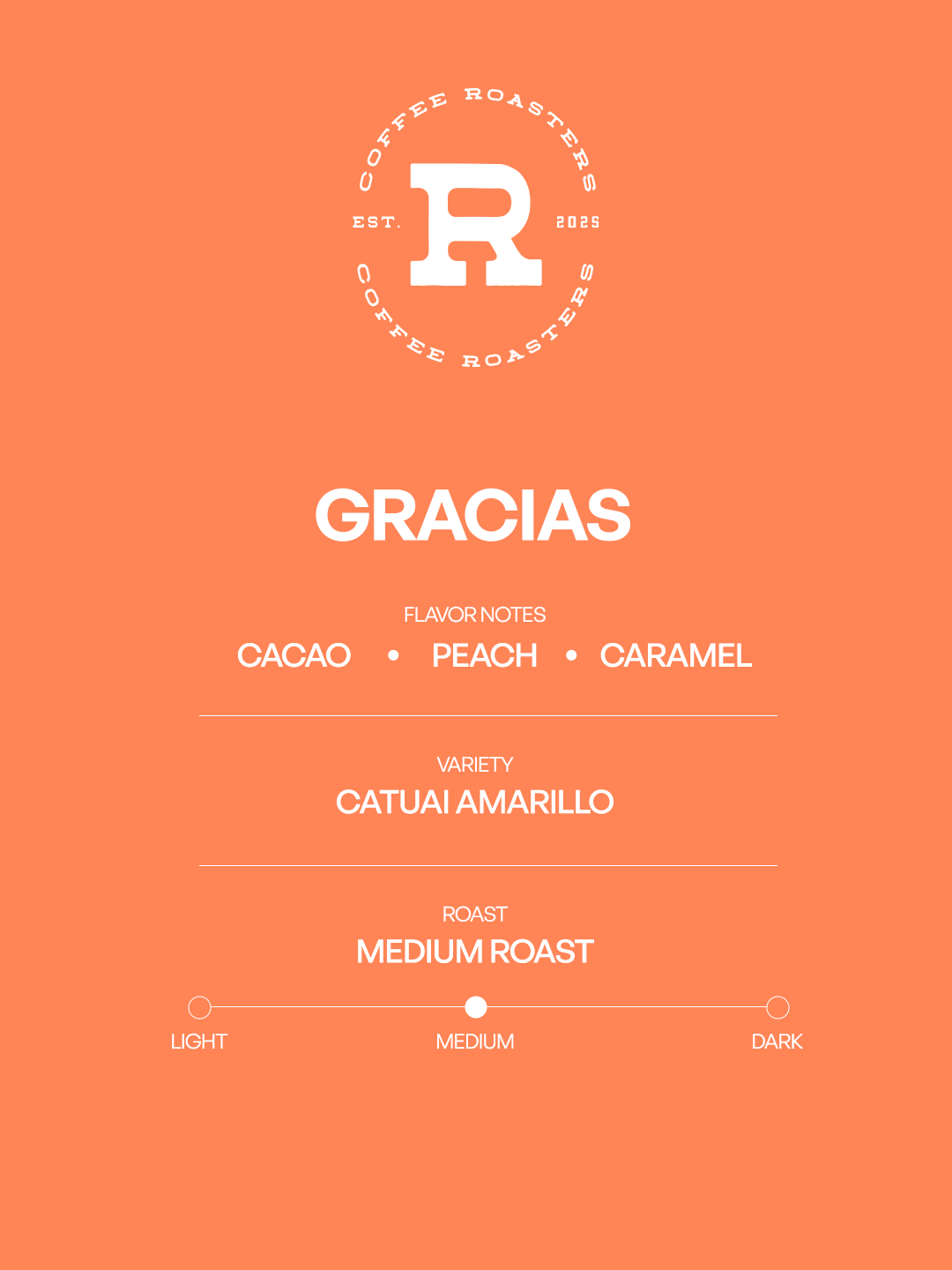
Chocolate / Cocoa — A smooth, roasty richness. Not milk chocolate sweetness, but more like a deep, warming quality. Gracias from Raíces is a good example: the washed process brings out a clean cacao character alongside peach and caramel notes.
Tropical Fruit / Mango — A juicy, bright sweetness, closer to fresh fruit than to citrus. This comes through distinctly in San Fernando, where the anaerobic fermentation process develops notes of ripe mango, brown sugar, and coconut cream.
Honey — A soft, rounded sweetness. Not cloying, but smooth and comforting. You'll find this in honey-processed coffees, where some of the fruit is left on the bean during drying. El Trueno from Marcala, Honduras is Raíces' honey-processed coffee and carries this quality distinctly.
Citrus — A brightness or liveliness in the cup — similar to the way squeezing lemon into water wakes it up. This doesn't mean the